Electric vehicles (EVs) are reshaping how we think about daily transportation. But for many first-time EV owners, the biggest question remains:
👉 Can I charge EV at home?
The short answer is yes — you absolutely can, and it’s simpler than most people think. In this in-depth guide, I’ll walk you through everything — from charging basics to installation, costs, safety, and real expert tips I’ve gained from years in the EV space.
🔌 1. Why Home Charging Is the Best Option
Every EV owner I’ve worked with quickly realizes one truth: charging at home is convenient, cheaper, and more reliable than relying solely on public stations.
Here’s why:
- Starts every day with a full battery
- Lower cost per km than public chargers
- No waiting in line
- Control over charging speed & schedule
Imagine plugging in your EV at night — just like charging your phone — and waking up to a full battery every morning. That’s the power of home charging.
⚡ 2. Types of EV Charging at Home
There are mainly two home charging types:
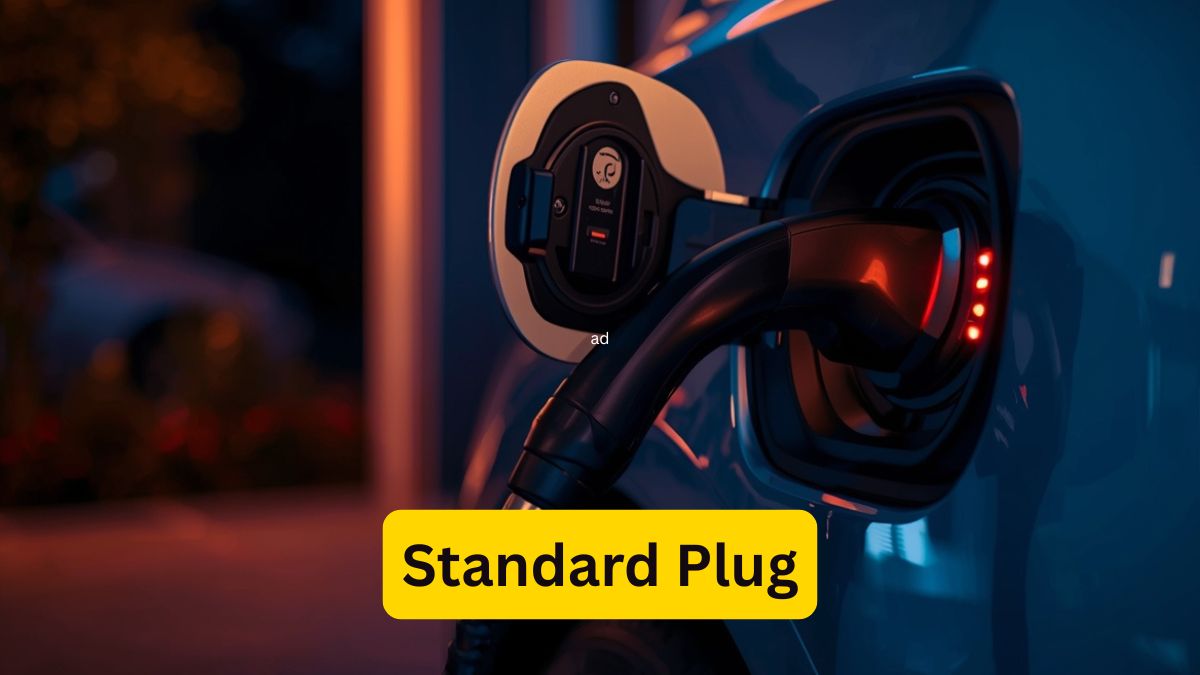
(I). Level 1 Charger (Standard Plug)
- Uses regular 120V outlet
- Slowest charging
- Good for overnight top-ups
Best for: Light EV drivers, short daily commutes
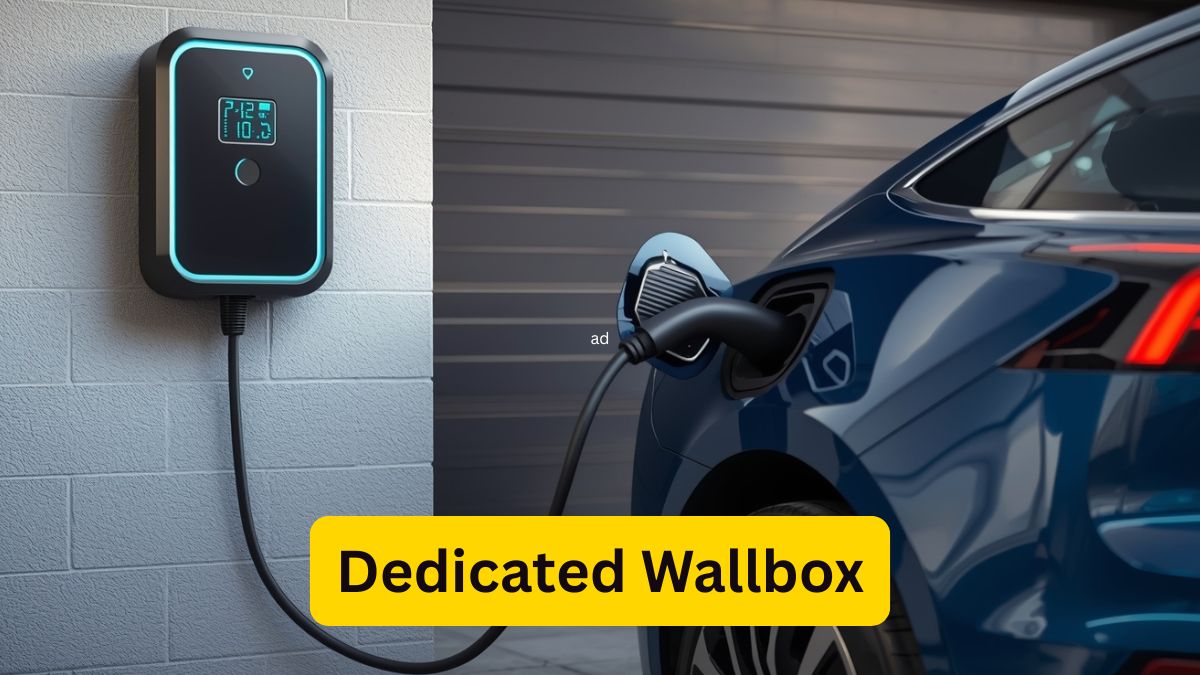
(II). Level 2 Charger (Dedicated Wallbox)
- Requires a 240V supply
- Charges much faster (10–60 miles range per hour)
- Recommended for most EV owners
Best for: Daily commuters, families, heavy EV users
🛠️ 3. What You Need to Charge EV at Home
Here’s what you need to set up a reliable home EV charging solution:
✅ Compatible EV
Most EVs support home charging — check your vehicle manual
Common port standards:
- Type 2 (Europe / India)
- CCS / CHAdeMO (fast public charging, not typical for home)
✅ Electrical Capacity
Your home panel must support a 240V circuit for Level 2 chargers.
✅ EV Charger (Fuel your EV at home)
I’ll recommend top affiliate picks later in this article.
✅ Qualified Electrician
For safe installation and compliance with local codes.
🧰 4. Step-by-Step Home Charger Installation
Here’s how I do installations with clients — explained in simple steps.
🔹 Step 1: Assess Home Electrical System
A trained electrician checks:
- Panel capacity
- Circuit breaker rating
- Wiring conditio
➡ Most homes with 40–60A service handle a Level 2 charger without upgrades.
🔹 Step 2: Choose Your Charger
Pick an EV charger that matches:
- Power output (amps)
- Connector type
- Smart features (Wi-Fi / App)
I’ll share affiliate recommendations later.
🔹 Step 3: Install a Dedicated Circuit
Electrician runs a dedicated 240V circuit from the breaker panel to the charger location.
I’ll share affiliate recommendations later.
🔹 Step 4: Mount & Connect the Charger
Charger is installed on the garage/workshop wall within easy reach of the EV port.
🔹 Step 5: Test the Charger
Full end-to-end test:
- Power delivery
- Safety shutoff
- App connectivity
💰 5. How Much Does Home EV Charging Cost?
Many owners ask:
“Can I charge EV at home cheaply?”
Yes — home charging is significantly cheaper than public charging. Here’s how the costs typically break down:
🔹 Electricity Cost
In India (example):
- Home electricity: ₹8–₹12 per kWh
- EV efficiency: ~4–6 km per kWh
⚡ That means you can drive 25–35 km on ₹10–₹12 of electricity!
Contrast that with public fast chargers which often charge ₹15–₹30 per kWh — home charging wins.
🔹 Charger Cost
- Level 1: ₹0 (you already have the outlet!)
- Level 2 Charger: ₹15,000 – ₹35,000+
- Installation: ₹5,000 – ₹15,000+ (varies by electrician & wiring needs)
Pro Tip: Consider long-term savings — cheaper electricity + long battery life = big ROI.
⚠️ 6. Safety Tips & Best Practices
Installing and operating EV chargers safely isn’t optional — it’s essential.
🟢 Charging Safety Checklist
- Use certified EV chargers
- Don’t overload circuits
- Keep charging area dry
- Inspect cables monthly
- Avoid extension cords
🟥 What to Avoid
- DIY wiring
- Cheap unbranded chargers
- Charging near water
A poorly installed charger can damage your EV battery or even cause fire hazards.
🔌 7. SP Electrician Suggested: Top Home EV Car Chargers
Here are tried-and-trusted home chargers I recommend (affiliate links):
⭐ WunderCurrent
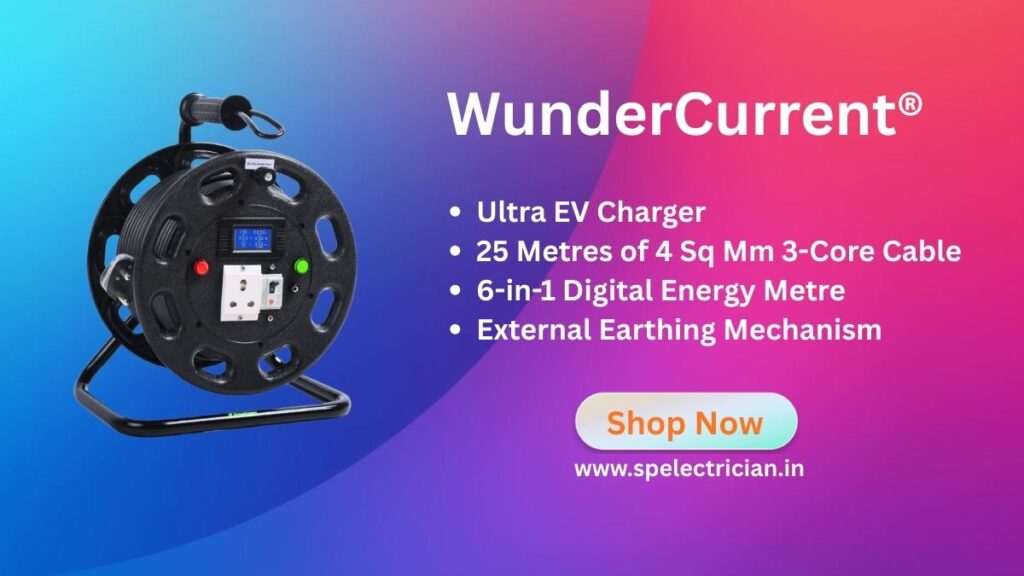
W3 Ultra EV Charger with 25 Metres of 4 Sq Mm 3-Core Cable 6-in-1 Digital Energy Metre External Earthing Mechanism
-
WunderCurrent Connector Gender Male-to-Female Plug Type Type M Number Of Conductors - Safety certified
📱 StromPuls 7.5 kW
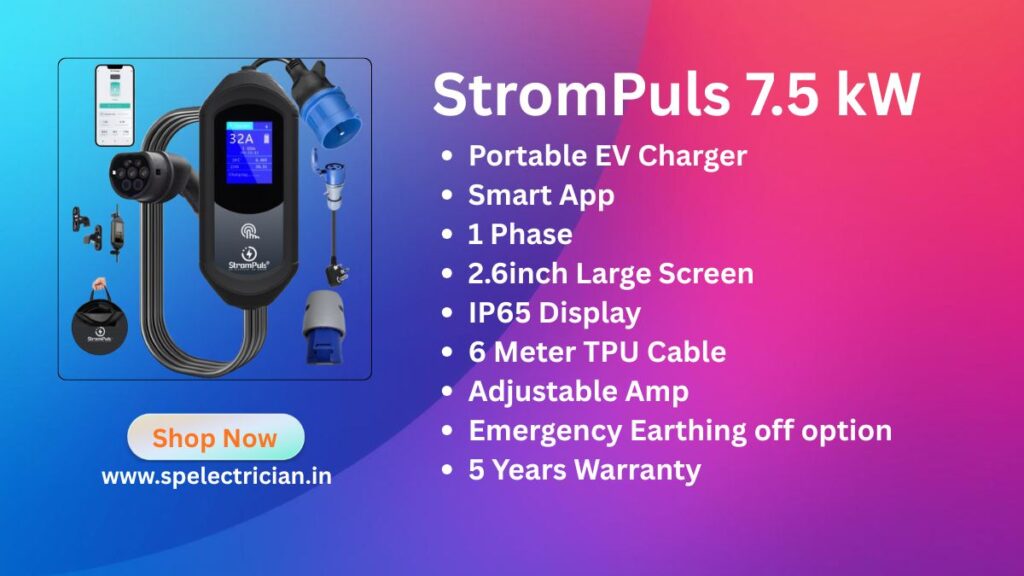
7.5 kW Portable EV Charger, Smart App, 1 Phase, 2.6inch Large Screen, IP65, 6 Meter TPU Cable, Adjustable Amp, Bag,Wall Holder Clips,Emergency Earthing off option, 5 Years Warranty
- Adjustable Current: Easily adjust charging current to suit your needs
- Universal Compatibility: Works with Type 2, single-phase EVs for versatile charging.
- Charging Monitoring: Track charging status and records on screen.
- Scheduling Feature: Set charging schedules for convenience and efficiency
- ✅Two YEAR GUARANTEE
📱 ZEV Point 3.6kW Portable EV Charger
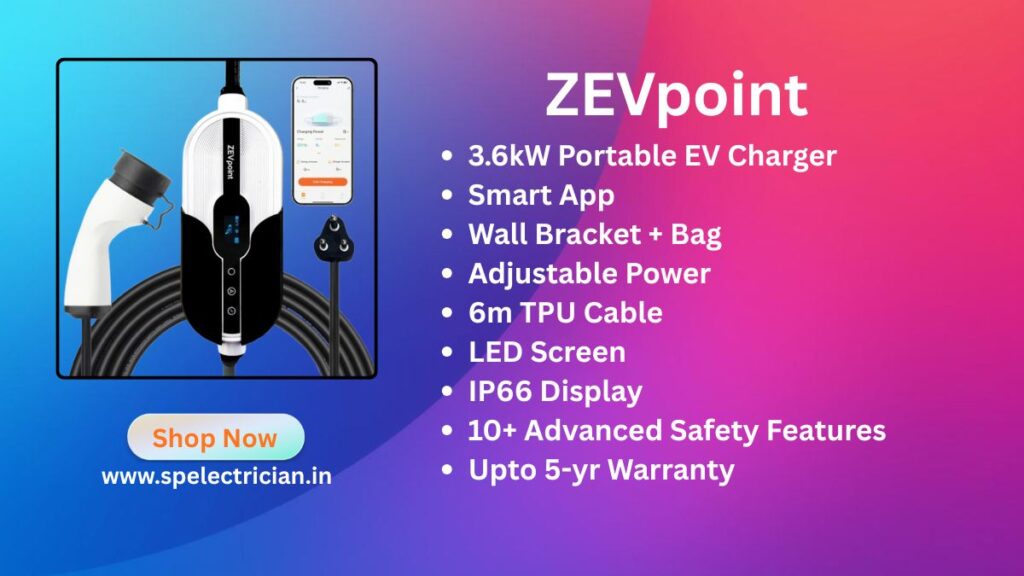
- Output Voltage 220 Volts (AC)
- Input Voltage 220 Volts (AC)
- Current Rating 16 Amps
- Item Dimensions D x W x H 29.7D x 10.6W x 5.4H Centimeters
- Item Weight Unit of Measure 2.5 Kilograms
About this item
- Charge Anywhere: Plug into any 3-pin socket and charge your EV on the go with complete reliability
- Smart Control: Adjust current from 8A to 16A via Zevpoint Home App or the touch panel on your charger
- Weatherproof Design: Compact IP66-rated body, with 6m TPU cable for extensive safety from dust & from rain
- Warrantied Performance: All Zevpoint chargers come with 5 year warranty on cables and enclosure and 2 years warranty on all components
- Universal Fit: Zevpoint EV charger is testsed to work with all major Electric Vehicles inlcluding TATA, MG, Mahindra, Hyundai, Suzuki, BYD, Kia, BMW, Mercedes, Mini Cooper, Audi, Jaguar, Citroen and many more.
📈 8. Pros & Cons of Home EV Charging
👍 Pros
- Cheapest charging option
- Charge on your schedule
- Extends EV battery life
- Adds value to your home
👎 Cons
- Installation cost upfront
- Requires electrician
- Speed slower than DC fast charging
❓ 9. FAQs About “Can I Charge EV at Home”
Q1: Can I charge any EV at home?
Yes — as long as your EV supports AC charging (most do). You only need a compatible charger and power supply.
Q2: Do I need a special outlet?
For faster home charging, you need a 240V outlet installed by an electrician.
Q3: Does home charging damage EV batteries?
Not when done correctly. Charging at moderate speeds (Level 1 or 2) actually helps battery longevity compared to frequent fast charging.
Q4: How long does home charging take?
Level 1: Slow (overnight for full charge)
Level 2: Faster (2–8 hrs depending on battery)
Q5: Is a smart charger worth it?
Yes — scheduling and monitoring can lower costs and improve battery health.
🏁 Final Thoughts
So, can I charge EV at home?
Absolutely — and for most EV owners, it’s the best everyday solution.
With the right setup, charger, and safety precautions, you’ll enjoy:
✅ Lower charging costs
✅ Full battery every morning
✅ Maximum convenience
✅ Better long-term battery performance
Also Read This…!
Which Geyser Is Better: Instant or Storage?